

Privacy Horror Stories: The Tags That Came Back From the Dead
Posted
October 16, 2026

Writen by:
Christine Desrosiers, CIPP/E, CIPP/US, CIPM, FIP
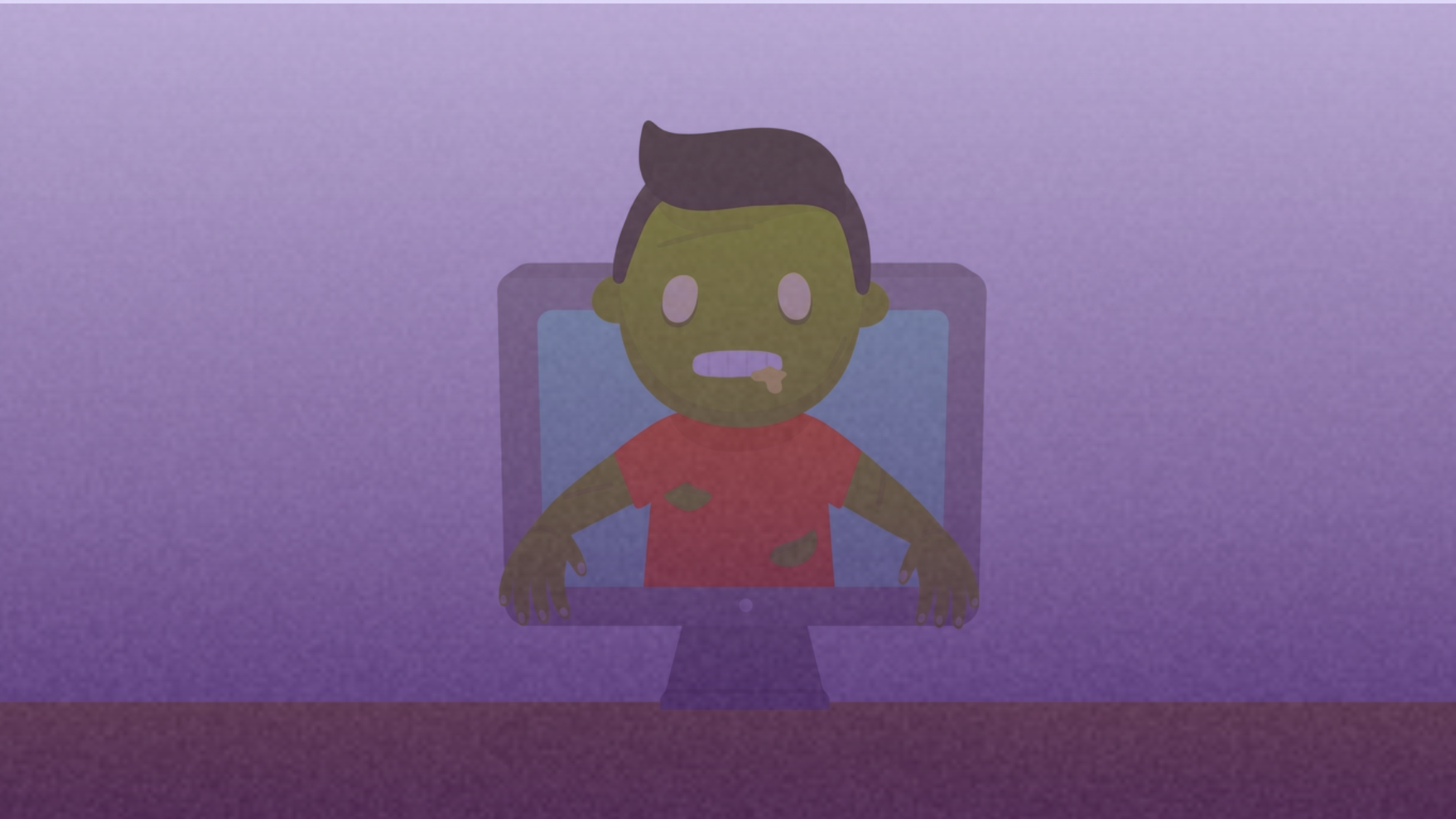
In privacy, removing a tag and it actually being gone are not always the same thing. A team can fix a consent rule, retire a vendor, or clean up its tag manager and reasonably assume the work is done. But there's always a risk that the next update can undo that fix, or another script can bring a tracker back in. And ending a vendor relationship doesn't necessarily stop its tag from firing.
These are the tags that outlive the decisions meant to stop them. Some never left; others found a way back. Here are three kinds of undead tags we've run into:
The one you already fixed.
Remember the rewards site with two consent banners I mentioned last week? The team had set up a rule to suppress a dormant tag, then a routine update to their consent platform inadvertently dropped it. And nobody knew to turn the rule back on.
The one that hitched a ride.
On an education site, a social media pixel fired after opt-out on every page we scanned. Nobody had added it directly: a third-party script loaded a tag manager, which then loaded the pixel. On the same site, an approved affiliate script loaded a likely adware domain. And the moment a new script went live, a new AI vendor’s tag appeared.
The one whose vendor is gone.
We tested the opt-out configuration of an environmental services company and found 127 of 156 tags still firing. One belonged to a vendor they had trialed and had stopped working with. The relationship ended, but the tag didn't.
Why do they keep coming back?
- Tag managers marked "essential" become a back door for everything inside them.
- Fixes live in configuration, and configuration gets overwritten by the next CMP update, redesign, or deploy.
- Vendors load other vendors. Approving one script can mean approving whatever it calls.
None of this shows up in a vendor inventory or a CMP dashboard. You only see it by watching what the browser actually does, after every change, every time.
So I'll ask: when did your team last find something in production it didn't know was there, or thought it had already removed?
Frequently asked questions
Everything you need to know about Boltive, our technology, and how we help reduce digital risk.