

.png)
Boltive is expanding its executive team to meet rising enterprise demand for real-time privacy compliance and ad security. As regulatory pressure and programmatic complexity grow, the company is scaling Privacy Guard, advancing CTV infrastructure, and accelerating innovation.

Five takeaways from Marketecture Live: the ad industry’s AI reckoning is underway. From CTV supply chain risks and residential proxy botnets to LLM advertising and agentic campaign ops, trust, verification, and infrastructure integrity are becoming critical.

CTV advertising now runs through two parallel systems: programmatic marketplaces and automated direct sales. Each introduces different privacy risks, and regulators do not distinguish between them. Compliance increasingly depends on verifying how data actually flows across both.

Celebrating Data Privacy Day with a great discussion on how agentic development impacts privacy compliance.
Digital compliance is breaking because it was built to verify intent, not behavior. As programmatic systems and generative AI execute autonomously and evolve after deployment, static audits and configuration checks fail to catch real risk. This post argues for a necessary shift t

Q1 brings new privacy enforcement in Kentucky, Rhode Island, and Indiana with stricter consent and data sharing rules. More updates hit in 2026 across CT, CO, and CA. Teams need stronger validation to avoid silent failures and rising enforcement risk.
.jpeg)
Google’s $425M penalty shows a hard truth: opt-out controls are meaningless without proof they work. As systems grow more complex, silent failures are inevitable. Brands now need continuous, real-world verification to ensure user choices are actually honored.

The LinkedIn class action highlights a growing truth: privacy failures now happen in code, not policy. Hidden tags, SDKs, and pixels can share data after opt out. Companies need evidence-based monitoring that proves what actually happens in the browser.
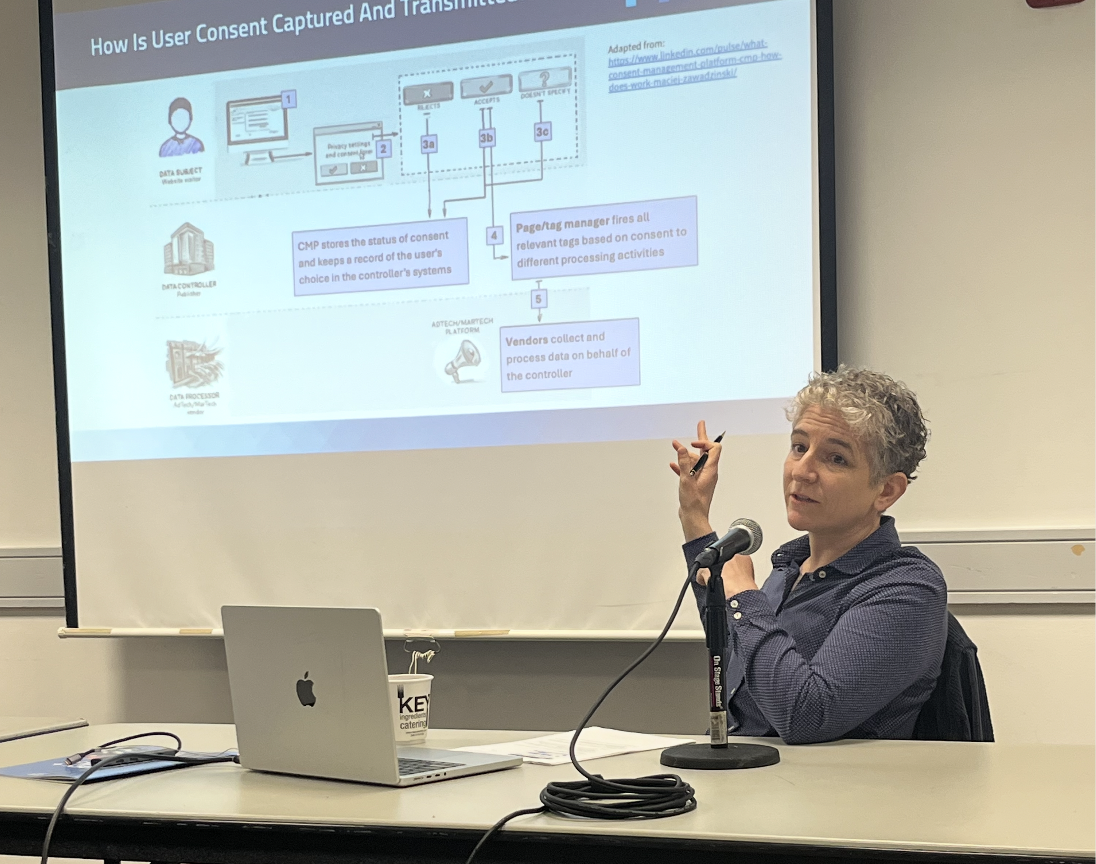
Privacy and adtech risks are rising, and automation alone cannot keep pace. At the Privacy and Security Forum, Boltive showed how consent signals, tags and ads fail in real environments, and how simulated user testing helps teams catch issues early.

Discover how a major security breach in the JavaScript ecosystem compromised over 20 popular npm packages, including Prebid.js. Learn why this supply chain attack is a critical threat to ad tech and what immediate steps you can take to protect your ad stack and users.
Frequently asked questions
Everything you need to know about Boltive, our technology, and how we help reduce digital risk.